Businesses
Businesses
Health Plans for Businesses
- Overview
- Global Health Solutions for SMEs and Large Corporates
General
- Why Cigna Middle East
- Blog
- Contact US
Businesses
Businesses
Health Plans for Businesses
- Overview
- Global Health Solutions for SMEs and Large Corporates
General
- Why Cigna Middle East
- Blog
- Contact Us
Businesses
Health Plans for Businesses
- Overview
- Global Health Solutions for SMEs and Large Corporates
General
- Why Cigna Middle East
- Blog
- Contact Us
Businesses
Health Plans for Businesses
- Overview
- Global Health Solutions for SMEs and Large Corporates
General
- Why Cigna Middle East
- Blog
- Contact Us
Businesses
Health Plans for Businesses
- Overview
- Global Health Solutions for SMEs and Large Corporates
General
- Why Cigna Middle East
- Blog
- Contact Us
Government
Health Plans for Governments
- Overview
- Plans & Services
General
- Why Cigna Middle East
- Blog
- Contact Us
Individuals and Families
Health Plans for Individuals and Families
- Overview
- Comprehensive Health Solutions for Individuals
- Basic Mandated Health Solutions for Individuals
General
- Why Cigna Middle East
- Blog
- Contact Us
About Cigna Middle East
- Corporate Profile
- Cigna Insurance Saudi Arabia
- Health Literacy Hub
- Thought Leadership
- Careers
- Emiratization
General
- Why Cigna Middle East
- Contact Us
Businesses
Government
Individuals and Families
Wellness
About Us
Getting nutrition right
Getting nutrition right
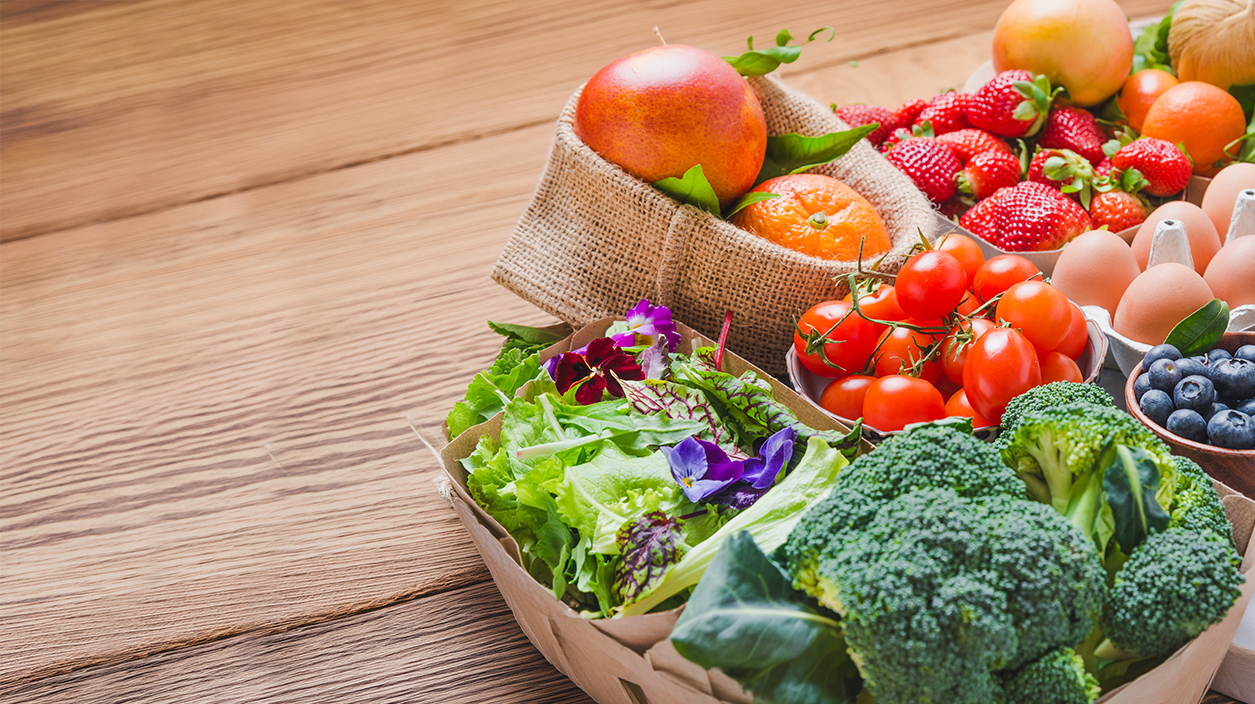
Healthy eating is about balance, variety, and moderation. It means that you eat enough, but not too much, and that you eat a variety of foods that give you the nutrients you need to stay healthy. All foods, if you eat them in moderation, can be a part of healthy eating.
A good first step in changing a habit is knowing why you want to change. Your reason for healthy eating is really important. If you do it because you want to, you are more likely to have success.
What makes you want to change how you eat? Do you:
- Want to feel better and have more energy?
- Want to improve your health?
- Want to prevent or treat health problems, such as high blood pressure, high cholesterol, or diabetes?
- Have another reason for wanting to do this?
Consider these nutrient-dense1 foods:
Protein
Choose seafood, lean meat and poultry, eggs, beans, peas, soy products, and unsalted nuts and seeds.
Fruits
Eat a variety of fresh, canned, frozen or dried fruits. Look for canned fruit that says it's light or packed in its own juice. This means it's low in added sugar. Keep in mind that 1⁄4 cup of dried fruit counts as one serving of fruit.
Vegetables
Serve a variety of fresh, canned, frozen or dried vegetables. Choose peas or beans, along with colorful vegetables each week. When selecting canned or frozen vegetables, look for ones that are lower in sodium.
Grains
Choose whole grains, such as whole-wheat bread or pasta, oatmeal, popcorn, quinoa, or brown or wild rice.
Dairy
Eat and drink fat-free or low-fat dairy products, such as milk, yogurt and cheese. Forti ed soy beverages also count as dairy.
Aim to limit your child's calories from:
Added sugar
Naturally occurring sugars, such as those in fruit and milk, aren't added sugars. Examples of added sugars include brown sugar, corn sweetener, corn syrup and honey. To avoid added sugar, check nutrition labels. Choose cereals with minimal added sugars. Avoid sodas and other drinks with added sugars.
Saturated fats
Saturated fats mainly come from animal sources of food, such as red meat, hot dogs, poultry, butter and other full-fat dairy products. When cooking, look for ways to replace saturated fats with vegetable and nut oils, which provide essential fatty acids and vitamin E.
Salt
Another name for salt is sodium. Salt can hide in sandwiches, where the sodium in bread, meat, condiments and toppings adds up. Processed foods, such as pizza, pasta dishes and soup, often have high amounts of salt. Check nutrition labels and look for products low in sodium.
Don’t forget that it takes time to incorporate all of the key food groups into your diet. Over time, small changes can make a big difference. So change your eating habits a little bit at a time.
References
-
Whether you wish to speak to our sales team or get general help if you are an existing Cigna member, we can get you to the right information.
- Contact Information
-
Existing Member? Login and manage your account with the Cigna Envoy® website
- Login
© Cigna Healthcare. All rights reserved.
Cigna Healthcare and Cigna HealthcareSM (Cigna Healthcare) are registered service marks of The Cigna Group and/or one of more of its subsidiaries. Products and services are provided by these subsidiaries, affiliates and other contracted companies and not by The Cigna Group. The material provided herein is provided for information purposes only and is believed accurate as of the date of publication, and is subject to change. This material should not be relied upon as legal advice. Products and services may not be available in all jurisdictions and are expressly excluded where prohibited by applicable law. The material provided herein is only a general description of benefits. Please consult your policy booklet or contact Cigna Healthcare for a complete listing of policy coverage and applicable exclusions and limitations. Cigna Healthcare does not provide medical care and cannot predict medical outcomes.
